How CRM Automation Improves Lead Generation and Conversion
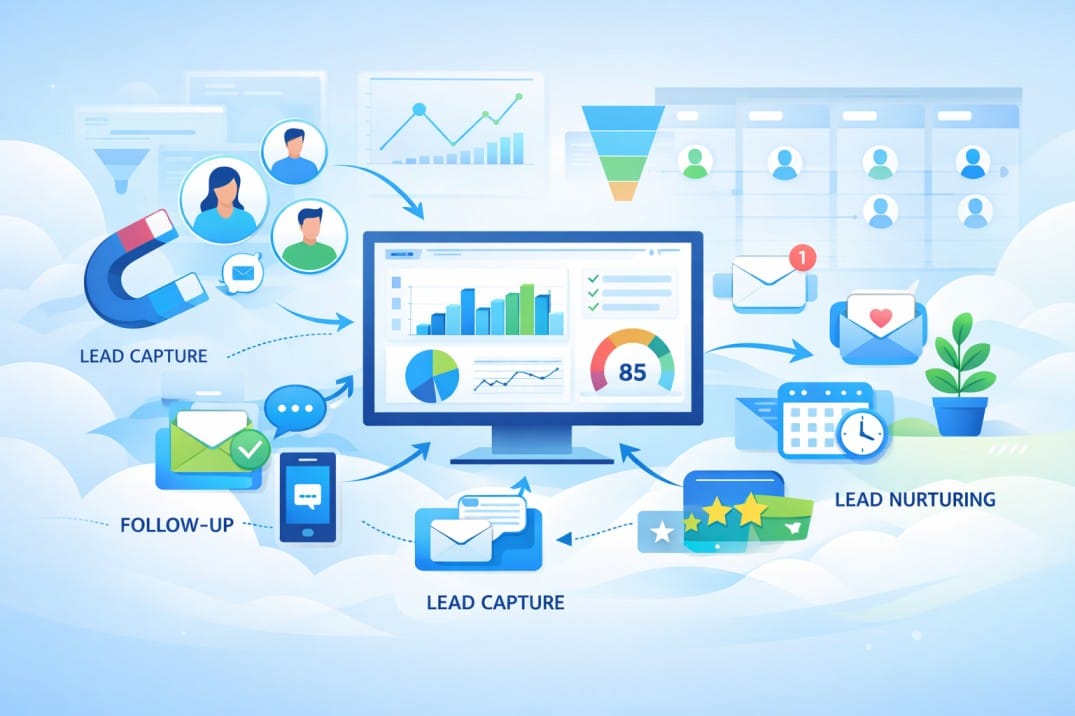
Table of Contents
- Introduction
- What is CRM Automation?
- Common Struggles Without CRM Automation
- CRM Automation for Lead Management
- Automated Lead Capture
- Centralized Lead Data
- Lead Qualification And Scoring
- Automated Lead Nurturing
- Faster Response Times
- Personalization at Scale
- Analytics and Performance Tracking
- Conclusion
Introduction
If you want to generate quality leads and convert them into customers, you should definitely have an efficient system to manage and follow up with those leads. Manual processes often cause errors and delays, which makes it harder to get more customers. It’s also difficult for managers to understand conversion rates and pipeline health this way. But CRM automation can make lead management much easier. It takes care of all the routine work on its own. It also leads to faster responses and helps improve both lead generation and conversions.
What is CRM Automation?
This is the use of software in your CRM system to manage and control sales and customer-related activities automatically. With CRM automation, you can save more time and improve the efficiency of your sales process. You don't have to manually capture leads or send follow-ups anymore. The CRM automatically does the repetitive tasks for you. You can spend more time on closing deals this way, instead of doing routine work. Also, every lead follows the same structured journey, so there won't be any errors caused by manual data entry.
Common Struggles Without CRM Automation
Without CRM automation, managing leads becomes more difficult and time-consuming. Many teams rely on tools such as spreadsheets or notes, which can easily lead to errors and missing information. Important lead details may also not be updated on time, making it hard to manage progress. Also, when reminders are not automated, sales teams may forget or delay contacting leads. This often causes interested leads to lose interest. Response times also become slower, which reduces the chances of turning inquiries into customers.
Teams may not know which leads are active or which stage they are in. This creates confusion and poor coordination between sales and marketing. There is also no proper tracking and insights in this case, and it becomes difficult to understand where improvements are needed. This results in lost opportunities and lower conversion rates.
CRM Automation for Lead Management
These are the ways CRM automation can help your marketing agency get more leads and increase conversions.
Automated Lead Capture
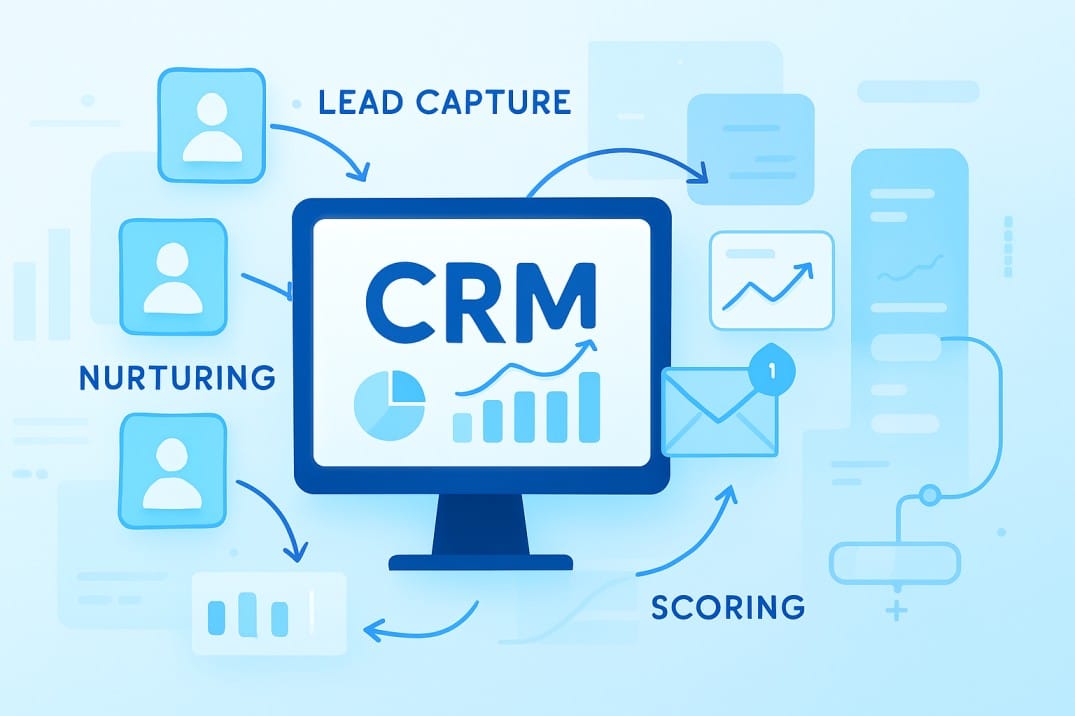
With CRM automation, the information of a lead is captured and stored automatically when a person shows interest in a product or service. For example, if someone fills out a website form or clicks on an ad, the CRM captures their details instantly without manual entry. This is automated lead capture. More leads can be collected correctly this way. It also makes sure no lead is missed, and every inquiry is handled immediately. Further, follow-ups can happen faster since the data is captured instantly. The quick responses keep the lead interested and increase the chances of conversion. Also, since the lead details are stored accurately, it's easier to understand the prospect and communicate more effectively.
Centralized Lead Data
All the lead information is stored in a single system in the CRM with automation. This makes it easier to manage leads. Staff can immediately see who the lead is and understand what they need to do next, since all the data is in one place. When marketing and sales teams share the same data, handoffs between teams are smoother. This reduces miscommunication. Everyone also works with updated information, so they can respond faster and in a more relevant way. Leads feel understood better this way, which increases trust and increases chances of conversion. The lead management process is also more organized, which helps teams attract better leads and convert them more efficiently.
Lead Qualification And Scoring
This is the process of figuring out which of the leads are most interested. If they are more likely to buy, they can be followed up with first. It is done by looking at factors such as the lead’s needs, budget, interest level, company size, or buying intent. But CRM automation makes this work automatic. The system judges the leads immediately based on rules that have already been set. This approach improves efficiency because sales teams spend less time chasing leads that have a low intent of buying.
Automated Lead Nurturing
The CRM system automatically stays in touch with leads. It sends them messages at the right time to guide them toward buying. They can get welcome emails, reminders for upcoming offers, or personalized product recommendations. The message depends on the actions of the lead, like visiting certain pages or downloading a guide. This keeps them interested and moves them closer to making a purchase. It also ensures consistent communication. Leads receive timely messages that match their interests. Additionally, follow-ups happen promptly. And the sales team can focus on high-priority leads. It also helps build stronger relationships because communication is personalized. This increases customer satisfaction and loyalty.
Faster Response Times
The CRM captures lead information and handles all the routine tasks automatically, so the staff do not have to do the routine work. They also get automated alerts to remind them to respond to leads. So, there are no delays in responding, and the business can contact people while they are still interested in the product or service. This shows professionalism and increases customer trust. Conversations can also go on without a problem, and staff can understand the leads’ needs better. They can answer questions and guide them towards the next step. Faster response times also prevent leads from going cold or turning to competitors.
Personalization at Scale
The CRM uses data such as name, location, interests, and behavior to automatically tailor messages for each lead. It can personalize messages for a great number of leads at the same time without manual effort. Every lead receives communication according to their needs and behavior. Because of the relevant messages, they pay more attention and are more likely to respond. They feel like the brand understands them, so you can attract and keep more qualified leads this way. They move through the sales process faster and feel more confident to take the next step. And they engage more with your business and turn from visitors into leads. This directly improves conversion rates without increasing manual effort.
Analytics and Performance Tracking
Each time an action is done for the lead, the CRM records it automatically. Since your teams don’t need to manually enter this information, it stays accurate and up to date. The CRM can also create dashboards and reports that show information like lead sources and pipeline status. This lets you know clearly what improvements you need to make to your sales process. Your teams can optimize messages or improve their timing, which leads to higher conversion rates. Also, they would know which channels are bringing in the most leads, so they can make more efforts on those instead of the ones that aren't. This improves lead generation by attracting more qualified leads from the right sources.
Conclusion
CRM automation can help you capture and nurture leads automatically. It lets you respond faster and personalize a lot of messages and send them to every lead at the same time. The system also keeps data in one place, so there is no confusion in your team, and the sales process is efficient. It even helps you qualify and score leads easily. And finally, it helps track the leads so you can improve conversion rates. Using CRM automation can help your tech startup reduce manual work and prevent missed opportunities, which generates more leads and increases conversions.